It is everyone’s responsibility to conserve, protect and regenerate the natural habitat in the area in which they travel, live, and operate a business.
Empowering visitors to participate in the preservation of indigenous species and local habitats fosters a sense of personal fulfilment, as they become agents of positive change during their travels, thus culminating in an enriching and gratifying overall experience.
With its close connections to the environment and climate itself, tourism is highly sensitive to climate change. It is also a significant contributor. It’s important to take steps to adapt and transition to a climate changed world, while reducing your contribution to a warming climate.
Nature conservation
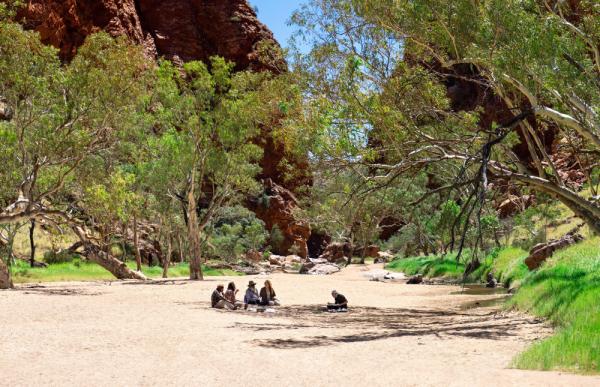
The NT’s unique natural environment is a major attraction for both domestic and international visitors. Contributing to a healthy ecological environment will add credibility to your business. Can your business find an alternative to clearing land or can you actively regenerate the land? Could the restoration of habitat form part of your tour offerings? Can you integrate a citizen science project or partner with a conservation agency to enhance your visitor experience? Can you find a better, more ethical way for your customers to experience local wildlife? Businesses around the world are leading the way in sustainability through regenerative tourismTooltip button– you can be a leader too!
Climate change impact
The United Nations has identified the Australia / New Zealand region as one of five Climate Change Vulnerable Hotspots for the global tourism industry. The Climate Council of Australia predict that:
- In 2030 the Red Centre could experience more than 100 days above 35°C every year (19 days more than the current average) and more than 160 days per year by 2090.
- Darwin could see an increase in hot days (temperatures above 35°C) from 11 (1981-2010 average) to 43 by 2030, and up to 265 by 20901.
It is vital to strengthen your adaptive capacity to climate induced impacts, whilst taking climate actionTooltip buttonby measuring and reducing your greenhouse gas emissions Tooltip button. Once you make a start, there are many ways to conserve, protect and regenerate the natural environment and to improve your climate impact. Take your visitors along the journey with you; if they know how to reduce their own carbon footprint Tooltip button and are aware of sensitive habitats and ecosystems, they are more likely to make better decisions in how they travel and experience the natural environment.
1 Climate Council, Icons at Risk, published 2018.

Get started
To assist you in commencing your transition to a sustainable tourism business, we have outlined critical areas to prioritise and provided practical steps to integrate sustainable practices into your operational framework.
- Research and understand how your business may be impacted by climate change:
- extreme weather events causing damage to assets and infrastructure upon which your operations relies
- extreme temperatures, heatwaves and peak winds resulting in increased danger to staff and visitors
- rising sea levels and associated saltwater inundation, damaging protective ecosystems
- ocean acidification and rising sea temperatures
- drought, leading to land degradation, increased risk of bushfire, and deterioration of natural beauty
- biodiversityTooltip buttonloss and ecosystem degradation
- changes in traveller sentiment to long haul travel. - Ensure that your wildlife experiences and portrayal of wildlife are ethical and responsible, demonstrating consideration of animal welfare and showcasing best practices in animal welfare.
- Educate staff and inform travellers about volunteering opportunities, local conservation issues and regenerative tourism offerings in the region.
- Avoid driving off-road or trampling of plants and compacting of soil by keeping visitors on paths or tracks during walking tours.
- Cap visitor numbers to a relatively small group size or limit the number of cabins / rooms to a sustainable number commensurate with the surrounding environment.
Take further action
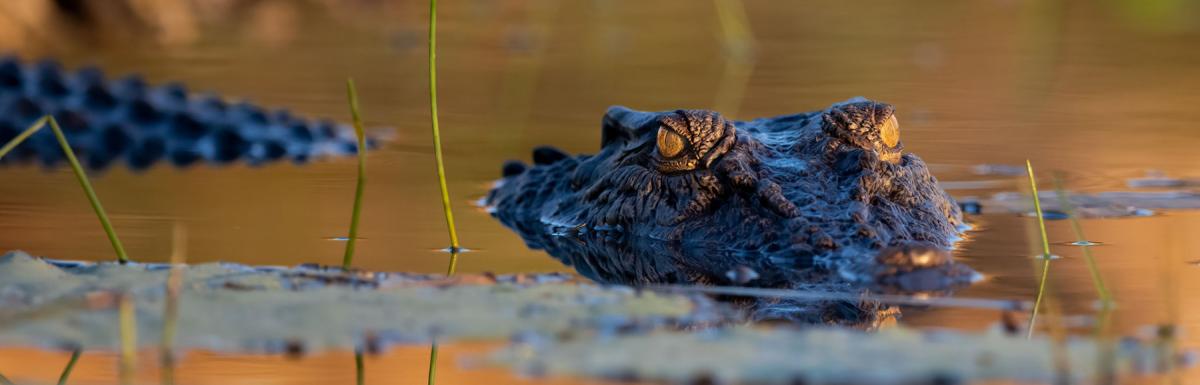
The below checklist aims to inspire you to exceed the ordinary and embrace forward-thinking strategies that foster environmental stewardship, support local communities, and deliver authentic and responsible travel experiences.
- Hold a brainstorming session with your staff to come up with ideas to integrate regenerative tourism with your visitor experience offerings.
- Include information in your interpretive commentary about vulnerable plant and animal species.
- Collaborate with academic, scientific or conservation agencies to research or monitor wildlife. Can you integrate a citizen science project in your visitor experience?
- Complete a bushfire plan relevant to your region’s bushfire season and ensure you know of any planned burns in your area. Keep your staff and travellers informed.
- Choose an environmental cause and support it through enablement of voluntary visitor donations or by contributing a small percentage of your revenue.
- Provide periodic staff training days to ensure environmental harm from operations is minimised.