Food and Drink Opportunities
More and more, visitors are interested in learning about food and drinks that are natural, local, have stories and special preparation methods, are good for them and don’t harm the environment. Aboriginal people know their Country, knowledge of plants and animals and the right way to grow, harvest and prepare traditional food and drinks. This creates an opportunity for Aboriginal people to showcase, build, grow and benefit from their own food and drink tourism experiences and product. In this guide, learn about how to protect, plan, share and sell your own food and drink Aboriginal cultural tourism experiences and product.
Food and drink - cultural way
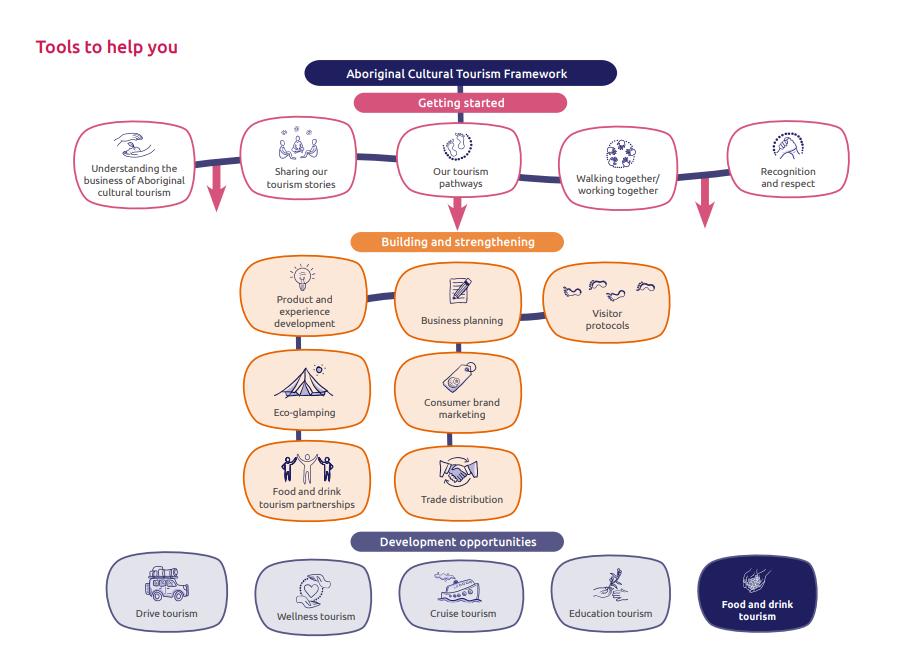
For Aboriginal people, food and drink is part of Creation, culture and Country. Food is language, knowledge, practice, responsibility and identity. There are laws for who can collect and when, where it is found, who can consume, how to harvest, hunt and prepare and how to protect it for future generations. Food and drinks are found in the land, waters and skies – reading and responding to Country is sacred knowledge that has been passed down through Ancestors in song, dance, art, story, language and traditional practices. This is called biocultural knowledge. This type of knowledge is different across each Aboriginal language in the Northern Territory (NT).
Every bush food has its own creation story, its own song and dance and cultural knowledge that has been handed down by our ancestors for thousands of years. The challenge for us is how do we bring our ancient foods into a contemporary industry while maintaining our connection to our culture, because for us, it’s not just about money, it’s about our identity.
Pat Torres, Northern Australia Aboriginal Kakadu Plum Alliance (NAAPKA)
How we can benefit from our food and drinks
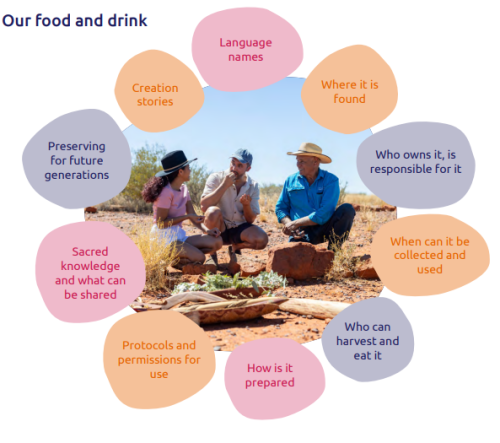
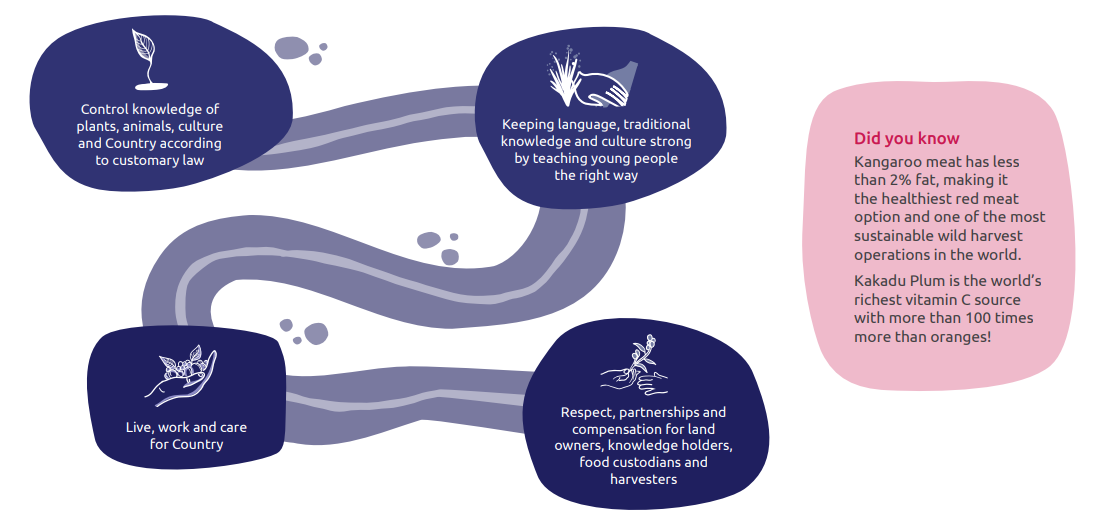
Many people are interested in Aboriginal native food and drinks. They want to know where these foods come from, how they are grown or collected and how they are prepared. People also want to learn about the health benefits and look for natural, eco-friendly ingredients. Food and drink tourism creates an opportunity for Aboriginal people to benefit from growing, protecting, sharing knowledge, producing products and creating unforgettable tourism experiences that are good for culture, Country and communities.
Why should I become involved in food and drink tourism?
Food and Drink Partnership
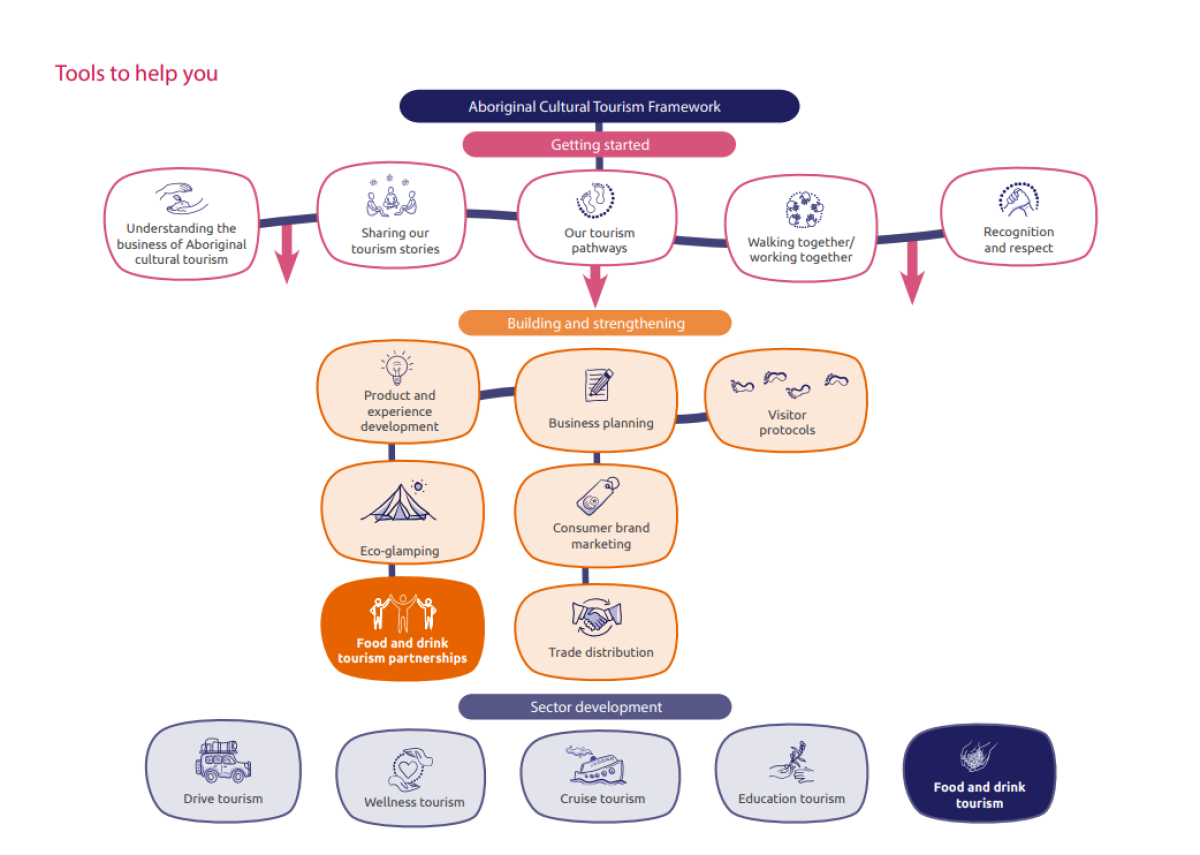
This guide will help you learn about working together with partners in food and drink tourism. It shows how the right partnership can help you share your knowledge, stories and skills appropriately, while building stronger business opportunities. You will find simple steps to protect, plan and find the right food and drink tourism partners to deliver both cultural way and business way benefits.
What is a partnership
A partnership is ‘an ongoing working relationship where risks and benefits are shared.’1 Business way, partners will enter into a legal agreement which sets the rules for how the partners will work together. Cultural way, a partnership ensures the protection of culture and benefits for community and Country.
Types of food and drink partners
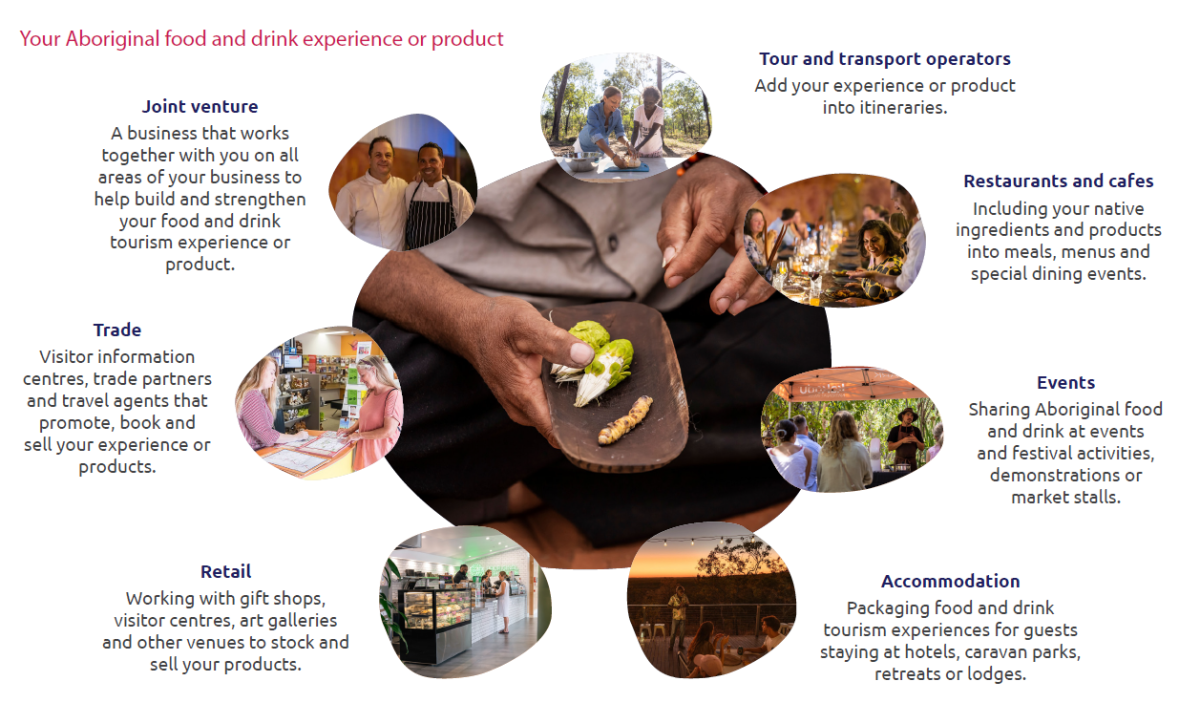
For Aboriginal food and drink tourism, working with a partner can strengthen your tourism experience and product offering. While you bring cultural knowledge and authority, partners could bring business skills, experience, networks and clients – balancing your ‘cultural way’ with ‘business way’. There are many different types of partners you can work with.
More information
For more information and access to other Aboriginal Cultural Tourism Framework resources contact Tourism and Events NT’s Aboriginal Tourism Team today.
Phone: 08 8999 7420
Email: [email protected]